
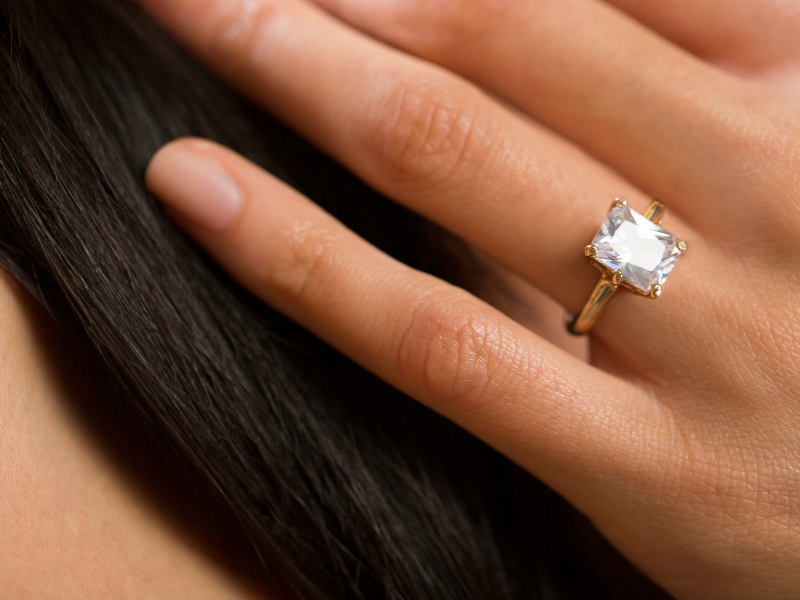
In this blog from the team at Hatton Garden Diamond, we explore whether there are any downsides to lab grown diamonds. We’ll take a closer look at the lesser-known aspects of lab grown diamonds for engagement rings and help you to decide if they’re the right choice for you and your partner.
In recent years, lab grown diamonds have become an increasingly popular option for engagement rings. Offering beauty, ethical origins, and are often much more cost-effective compared to mined diamonds; they seem like an ideal choice for modern couples.
At first glance, lab grown diamonds check all the boxes; sparkle, value and visually no different to mined diamonds.
As with any significant purchase however, it’s important to consider everything. Whilst lab grown diamonds offer many benefits, they also come with a few potential downsides that are worth exploring before making your final decision.
What Is A Lab Grown Diamond?
To begin, let’s clarify what lab grown diamonds actually are. These are real diamonds, created using advanced technology in a controlled environment. They are not imitations; they have the same chemical and physical structure as mined diamonds.
There are two main methods used to create them:
- High Pressure High Temperature (HPHT)
- Chemical Vapour Deposition (CVD)
You can read more about these methods in one of our earlier blogs here.
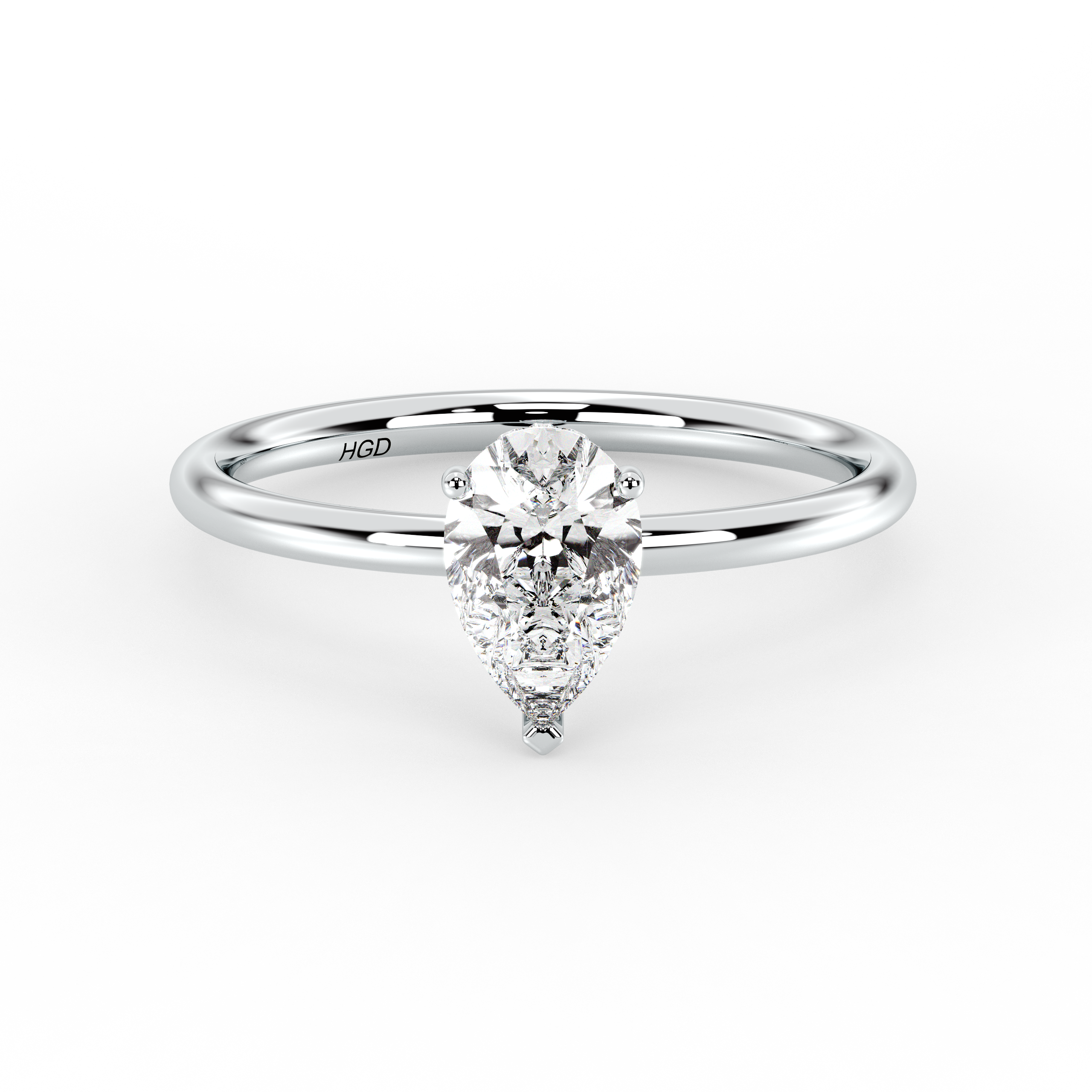
Once formed, lab grown diamonds are cut and polished in the same way as natural diamonds and graded using the same international standards for cut, clarity, colour, and carat weight.
So, if they look the same and perform the same, what’s the catch?
Resale
One of the most discussed downsides of lab grown diamonds is their resale value. Unlike natural diamonds, which often retain some level of value over time (depending on quality and market demand), lab grown diamonds tend to depreciate more quickly.
This is partly due to the growing ease of producing lab diamonds. As more are made and introduced to the market, their relative rarity is diminished, making them less desirable from an investment standpoint.
However, we know the world is changing in terms of sustainability, and it could very well be the opposite in a few years’ time, with clients leaning towards a diamond that they know has been ethically created.
Perception And Tradition
Though attitudes are shifting, there are still some who see mined diamonds as the more traditional or ‘authentic’ choice for engagement rings. This perception can be particularly strong amongst older generations or within families that place a high value on tradition.
If your engagement involves family heirlooms or formal expectations, it’s worth considering how the idea of a lab grown diamond might be received.
Of course, many couples are happily embracing the modern benefits of lab diamonds regardless of outside opinion, but it’s a factor that you may prefer to think about in advance.
Not Always More Sustainable
As mentioned above, lab grown diamonds are often described as a more ethical and sustainable alternative to mined diamonds, and in many ways, they are. They don’t involve the environmental damage caused by large-scale mining operations, and they’re free from conflict-zone sourcing issues or a questionable history regarding forced labour.
However, not all lab diamonds are created with the same environmental standards. The process of creating diamonds in a lab is energy-intensive, especially when using HPHT methods. In some cases, the carbon footprint of a lab grown diamond can still be significant, especially if the production facility is powered by non-renewable energy sources.
It’s important to ask where and how your diamond was produced. Some manufacturers are now using renewable energy and working toward cleaner production processes, but transparency in this area still varies.
At Hatton Garden Diamond, our master jewellers create all of our lab grown diamonds in-house, so can discuss the environmental impact with you if it’s something you’d like to know more about.
Market Uncertainty
Because lab grown diamonds are relatively new in the jewellery market, their long-term demand and pricing trends are still developing. As technology continues to improve and production becomes even more widespread, prices may continue to drop.
For clients, this might mean that a lab grown diamond purchased today could be significantly less expensive to buy in just a few years. By comparison, mined diamonds tend to have more stable pricing over time due to their rarity and established position in the luxury goods market. However, we can’t predict the future and it could very well soon be ‘outdated’ to choose anything other than a lab grown diamond!
Lack Of History
For some people, part of the emotional value of a diamond comes from its natural origin, a gem formed deep within the Earth over billions of years. That sense of awe and natural wonder can be an important part of the engagement ring experience.
Whilst lab grown diamonds replicate the appearance and performance of natural diamonds perfectly, they don’t carry the same geological story. This distinction may not matter to everyone, but for those who value the symbolic or historical significance of natural stones, it’s something to think about.
Balancing The Pros And Cons
Many couples weigh up these options and still choose lab grown diamonds for their engagement rings, and for good reason. Lab grown diamonds offer excellent value, are chemically identical to natural diamonds, and appeal to those who want to make a more ethically-conscious purchase.
They allow for larger carat sizes or higher quality stones within a more manageable budget. And in terms of visual appearance, they are just as brilliant and beautiful as mined alternatives.
The decision ultimately comes down to what matters most to you:
- Are you looking for the best diamond possible within your budget?
- Do you place importance on the diamond’s origin story or resale value?
- Is the emotional meaning of the ring based more on symbolism or tradition?
By taking the time to explore these questions, you’ll be better positioned to choose a ring that truly reflects your values and relationship.
Choosing The Right Lab Grown Diamond
If you decide a lab grown diamond is the right choice for your engagement ring, there’s still plenty to consider. Just like with mined diamonds, lab grown diamonds vary in quality. The 4Cs: cut, colour, clarity, and carat, are still essential.
At Hatton Garden Diamond, we offer a carefully selected range of certified lab grown diamonds to suit a wide variety of designs and budgets. Our team will walk you through all the options available and help you to understand what to look for so that your engagement ring is both meaningful and beautifully made.
Contact the team today and together we’ll create the perfect ring for any occasion.