
An engagement ring is one of the most meaningful pieces of jewellery a person can own. It symbolises love, commitment, and a shared future.
Whilst many individuals or couples choose a brand-new ring, some prefer to incorporate elements of family heirloom jewellery into their design. This not only adds sentimental value but also creates a connection between generations.
If you’re considering using heirloom jewellery in your bespoke engagement ring, you might have questions about how the process works, what can be reused, and whether it’s even a good idea. This guide will walk you through everything you need to know about incorporating your precious family jewellery into a custom engagement ring.
Why Use Heirloom Jewellery In An Engagement Ring?
There are many reasons why someone might choose to incorporate heirloom jewellery into a bespoke engagement ring. One of the most significant is sentimentality. An engagement ring made using a family piece carries deep personal meaning, representing the continuation of family traditions and the blending of past and present.
Another benefit is sustainability. By repurposing an existing piece of jewellery, you reduce the need for newly mined materials, making it an environmentally-conscious choice. In some cases, using heirloom jewellery can also be cost-effective. If a high-quality diamond or precious metal is already available, it may reduce the overall cost of the new ring.
What Parts Of An Heirloom Piece Can Be Reused?
If you have an heirloom piece you would like to use in your engagement ring, several elements may be incorporated into the new design.
Diamonds and Gemstones
One of the most common ways to incorporate an heirloom piece into an engagement ring is by reusing its diamonds or gemstones. If the original jewellery features high-quality stones, they can often be removed, cleaned, and reset into a new design. This allows you to preserve the beauty and significance of the original piece while creating something unique to you.
Before using an heirloom diamond or gemstone, a jeweller will inspect it to ensure it is in good condition. Some stones may have small chips, cracks, or wear from years of use, and in some cases, they may need minor restoration before being set into a new ring.
Precious Metals
It is sometimes possible to melt down heirloom gold or platinum and reshape it into a new engagement ring. However, this depends on the condition and composition of the metal. Some older pieces contain alloys that can make them difficult to work with, and in some cases, it may be more practical to trade the metal in and use it as credit towards a new ring.
Engravings and Design Features
If an heirloom piece has meaningful engravings or unique design details, you might want to incorporate them into your engagement ring. A skilled jeweller can replicate certain elements, such as patterns, or alternatively carefully preserve an existing engraving if it holds special meaning.
The Process Of Transforming Heirloom Jewellery
If you’re interested in using a family piece in your bespoke engagement ring, the process begins with a consultation with an experienced jeweller. They will assess the heirloom piece, discuss your ideas, and help you create a design that blends old and new elements seamlessly.
Step 1: Assessing the Heirloom Piece
The jeweller will examine your heirloom jewellery to determine what can be used in the new ring. They will check the quality of any diamonds or gemstones, assess the condition of the metal, and identify any wear or damage that may affect the final design.
If a stone is chipped or worn, it may be possible to have it recut or polished to restore its brilliance. If the metal is not suitable for melting down, the jeweller may suggest incorporating it in another way, such as by engraving the new ring with a pattern inspired by the original piece.
Step 2: Designing the New Ring
Once the heirloom elements have been evaluated, the design process begins. This is where you can decide how to blend the old with the new. Some people choose to create a modern ring that includes an heirloom diamond, whilst others prefer a vintage-inspired design that reflects the style of the original jewellery.
During this stage, you’ll select details such as the setting, band style, and metal type. You may choose to incorporate additional gemstones, engravings, or design features that enhance the sentimental value of the ring.
Step 3: Crafting the Ring
After finalising the design, the jeweller will begin crafting the ring. If you’re using an heirloom diamond, it will be carefully removed from its original setting and placed into the new one. If the metal from the original piece is being repurposed, it will be melted down and reshaped.
The crafting process can take several weeks, depending on the complexity of the design. Throughout this time, the jeweller will ensure that the heirloom elements are handled with care and that the final ring is a beautiful representation of your vision.
Considerations When Using Heirloom Jewellery
Whilst incorporating heirloom jewellery into a bespoke engagement ring is a meaningful choice, there are a few things to keep in mind.
Family Approval
If the jewellery has been passed down through generations, it may have sentimental value to other family members. It’s a good idea to have a conversation with relatives before making any changes to the piece. Some families have strong attachments to heirloom jewellery, and discussing your plans in advance can help prevent misunderstandings.
Stone and Metal Compatibility
Not all heirloom stones are suitable for everyday wear. Some gemstones, such as opals and pearls, are softer and more prone to scratching or damage. If your heirloom jewellery contains a delicate stone, the jeweller may suggest reinforcing the setting or using the stone in a less exposed part of the ring.
Similarly, older metals may have a different composition than modern alloys, which can affect their durability. If the heirloom metal is not strong enough for a daily-wear engagement ring, the jeweller may recommend using new metal for the band while preserving elements of the original piece in a different way.
Budget Considerations
Using heirloom jewellery can sometimes reduce the overall cost of a bespoke engagement ring, but this isn’t always the case. The cost will depend on factors such as the condition of the heirloom elements, the complexity of the new design, and any restoration work required.
Before proceeding, it’s helpful to discuss your budget with the jeweller so they can offer recommendations that align with your financial expectations.
Why Choose Hatton Garden Diamond For Your Bespoke Engagement Ring?
If you’re considering incorporating heirloom jewellery into your engagement ring, working with an experienced jeweller is essential. Hatton Garden Diamond offers expert craftsmanship and guidance throughout the process, ensuring that your heirloom elements are handled with care and that the final ring reflects your vision.
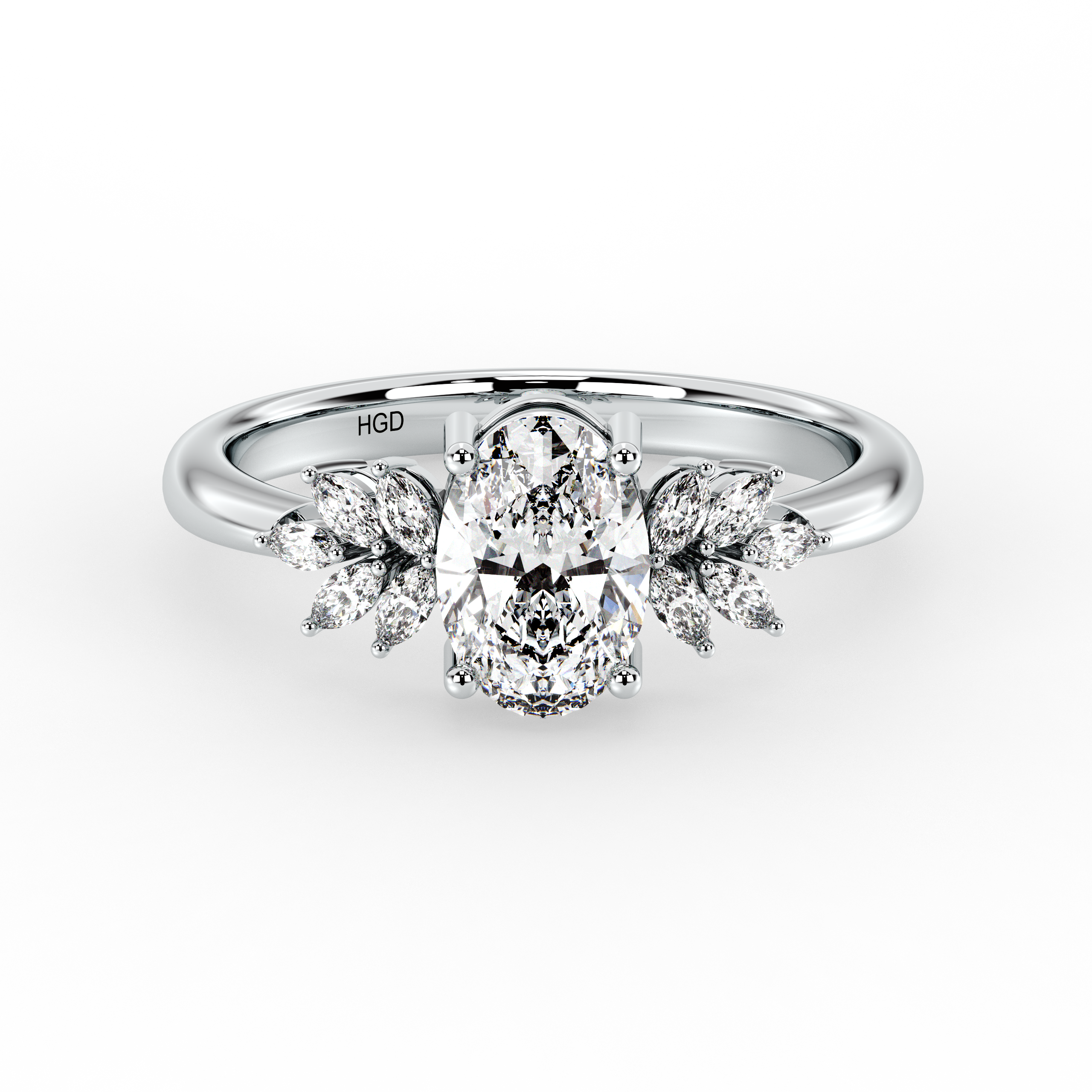
Located in London’s historic jewellery district, Hatton Garden Diamond has extensive experience in working with heirloom jewellery, from resetting vintage diamonds to blending old and new design elements seamlessly.
Whether you’re looking to create a classic solitaire ring using a family diamond or design an intricate piece that preserves multiple heirloom details, you can trust that your engagement ring will be crafted with precision and care. Book your consultation today and find out how we can help you.